
Protect Your Roof Before Monsoon Season Hits
Monsoon season brings fast storms, strong wind, and surprise hail to Queen Creek. Your roof sits in the middle of all of it, taking the first hit from flying debris and heavy rain. Getting ready in late spring is one of the smartest things you can do to protect your home.
Our desert sun is tough on roofs all year. UV exposure dries out shingles, weakens underlayment, and can make older foam coatings crack. Then monsoon storms roll in with sudden bursts of wind and hail that push an already tired roof even harder. Tile, shingle, and flat foam roofs all feel that stress in different ways.
In this article, we break down the difference between hail damage and wind uplift, how to document what you see after a storm, and how to handle storm damage roof repair in Queen Creek with your insurance company and a trusted local roofer on your side.
Monsoon Hail Damage Vs Wind Uplift Explained
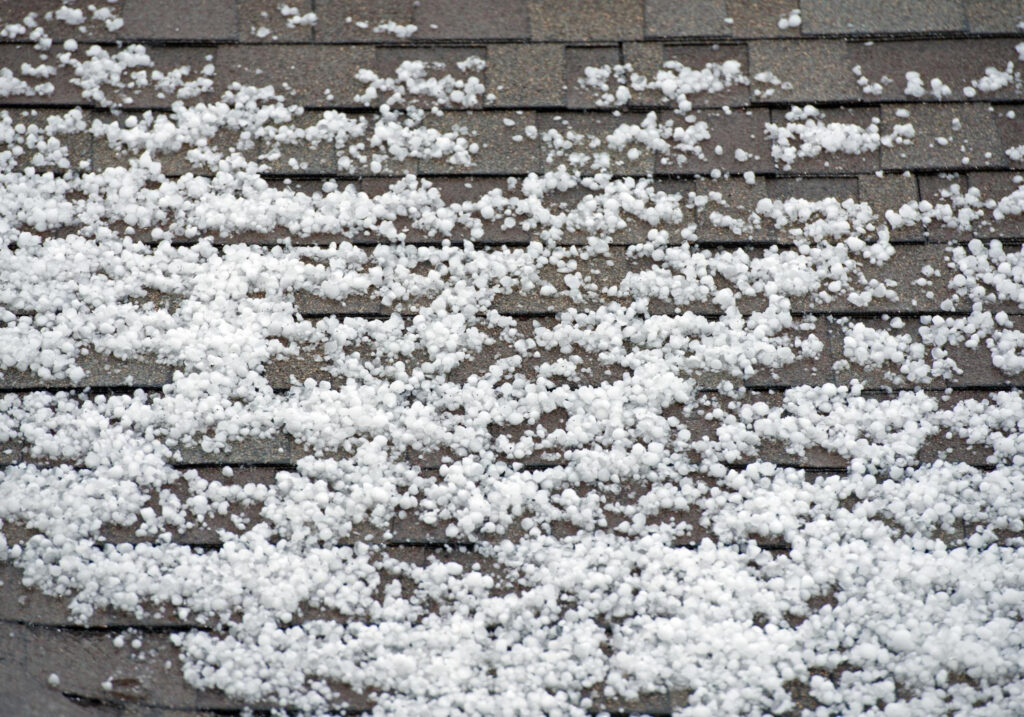
Hail damage in Queen Creek often looks different than what you might see in other parts of the country. Our hail is usually short lived but can still hit hard enough to bruise and crack roofing materials.
On typical homes you may see:
- On shingles, dark impact spots, missing granules, or soft spots that feel bruised
- On tile roofs, chipped corners, broken tiles, or cracked surfaces
- On metal flashings, vents, and pipes, small round dents or dings
- On foam-coated flat roofs, pitting, punctures, or crushed areas in the coating
Wind uplift is a different kind of damage. Instead of hitting from above like hail, wind tries to pull materials up and off the roof. Strong monsoon gusts often attack edges, corners, and ridges first.
Wind uplift can show up as:
- Lifted or shifted tiles that no longer sit flat
- Missing or torn shingles exposing the underlayment
- Exposed nails or fasteners that used to be covered
- Broken ridge caps along the roof peak
- Peeled or curling foam coatings on flat areas
- Loose or bent edge metal around the roof perimeter
Hail usually leaves clear impact points that stand out once you know what to look for. Wind damage can be sneaky. A row of tiles might look mostly normal from the yard, but even a small gap lets water get in over time. Both types of damage deserve quick attention from a roofing professional who knows how to tell them apart and document them correctly.
How to Safely Document Storm Damage After a Monsoon
After a storm, many homeowners want to rush outside and climb up for a closer look. We do not recommend that. Wet, dusty, or damaged roofs are not safe for anyone without the right training and equipment.
Start with a simple walk around your property from the ground:
- Use your phone camera zoom instead of climbing a ladder
- Look for missing shingles or tiles you can see from the yard
- Check for piles of roof debris, broken tiles, or shingle pieces on the ground
- Look in gutters and at downspouts for extra granules or broken foam bits
- Check fascia boards, patio covers, and visible flashing for dents or cracks
For insurance purposes, photos are your friend. Try to capture:
- Wide shots that show full sides of the roof and overall condition
- Medium shots of any area that looks “off” or out of line
- Close-ups of impact marks, lifted materials, or exposed underlayment
- Damage to patios, AC units, sheds, pergolas, or yard structures
- Time-stamped photos from different angles so it is clear when the damage happened
Once you have your ground photos, it helps to bring in a local roofer who can safely access the roof surface. A detailed inspection report from a trained eye can include:
- Professional photos taken up close on the roof
- Notes marking hail hits versus wind uplift issues
- A written explanation of how the damage may lead to leaks if left alone
This type of clear record can make a big difference when you speak with your insurance adjuster.
Mitigating Damage Fast to Protect Your Home
After a monsoon, speed matters. Even small openings can let water travel under your roofing and into your home. You might not see a stain on your ceiling right away, but the damage can still be growing.
There are a few short-term steps that help keep things from getting worse, which are best handled by trained crews:
- Tarping exposed areas where roofing is missing or badly cracked
- Sealing obvious penetrations around vents or broken tiles
- Clearing clogged scuppers, drains, and gutters so water can flow off the roof
- Safely removing branches or larger debris that may rub, scrape, or poke holes
Materials also play a big part in how well a roof handles storm events. Quality underlayment can provide a second line of defense if tiles or shingles are damaged. Well-installed foam coating systems on flat roofs can resist a lot of water intrusion when kept in good shape for our hot, sunny climate.
Quick storm damage roof repair in Queen Creek helps you avoid:
- Mold growth in damp attic spaces
- Damaged drywall and bubbling paint on ceilings and walls
- Wet or ruined insulation that hurts energy efficiency
- Larger structural repairs that cost more and take longer to fix
Catching issues early usually means simpler repairs and less disruption to your daily life.
Navigating Roof Insurance Claims with Confidence
Insurance claims can feel stressful, especially when your roof is involved. A simple step-by-step approach can keep things more manageable.
A basic claim timeline normally looks like this:
- After the storm, document what you see and protect the home from further damage
- Contact your insurance carrier as soon as practical and report the loss
- Share your initial photos and notes with the claims representative
- Set a time for the adjuster to inspect the property
- When possible, have a roofing contractor there at the same time
Having a roofer on site gives you an extra set of trained eyes. Clear documentation that separates hail impacts from wind uplift helps answer common questions about what type of damage happened and how it should be fixed. A detailed written estimate that explains needed repairs or replacement, code requirements, and recommended materials can reduce back and forth later.
A few practical tips:
- Keep a storm damage file with photos, notes, emails, and letters
- Review your policy so you understand your deductible and coverage basics
- Be cautious about door-to-door “storm chaser” crews you do not know
- Work with a licensed local roofer who understands Queen Creek building codes and common monsoon issues
Good records and local expertise can make the claim process smoother and help protect your long-term roof performance.
Your Next Steps Before the Next Monsoon Rolls in
The quieter months between big storms are the perfect time to give your roof some attention. A pre-monsoon roof inspection can uncover small hail dings, loose tiles, or early wind uplift from past seasons so repairs can be made before rain is pounding on your roof again.
It also helps to create a simple storm plan for your household:
- Decide where you will store roof photos and insurance documents
- Make a short contact list of who you will call first after a storm, including a trusted roofing contractor
- Talk through how you will safely check for damage from the ground
- Note any areas of your home that have leaked before so they get extra attention during inspections
At Quest Roofing, we live and work in the same East Valley neighborhoods we serve, so we understand how our desert climate, summer sun, and sudden monsoon storms affect local roofs. We provide careful evaluations, repair options, and foam coating systems tailored to homes in Queen Creek and surrounding areas, along with guidance through the insurance claim process so your roof is ready for the next round of storms.
Protect Your Home With Fast, Reliable Roof Repair Today
If your roof was hit by a recent storm, don’t wait for small issues to turn into costly water damage. At Quest Roofing, we provide thorough inspections and expert storm damage roof repair in Queen Creek to restore your roof’s integrity quickly. We will walk you through your options, help you navigate any insurance questions, and keep you informed at every step. To schedule an inspection or request an estimate, simply contact us today.