
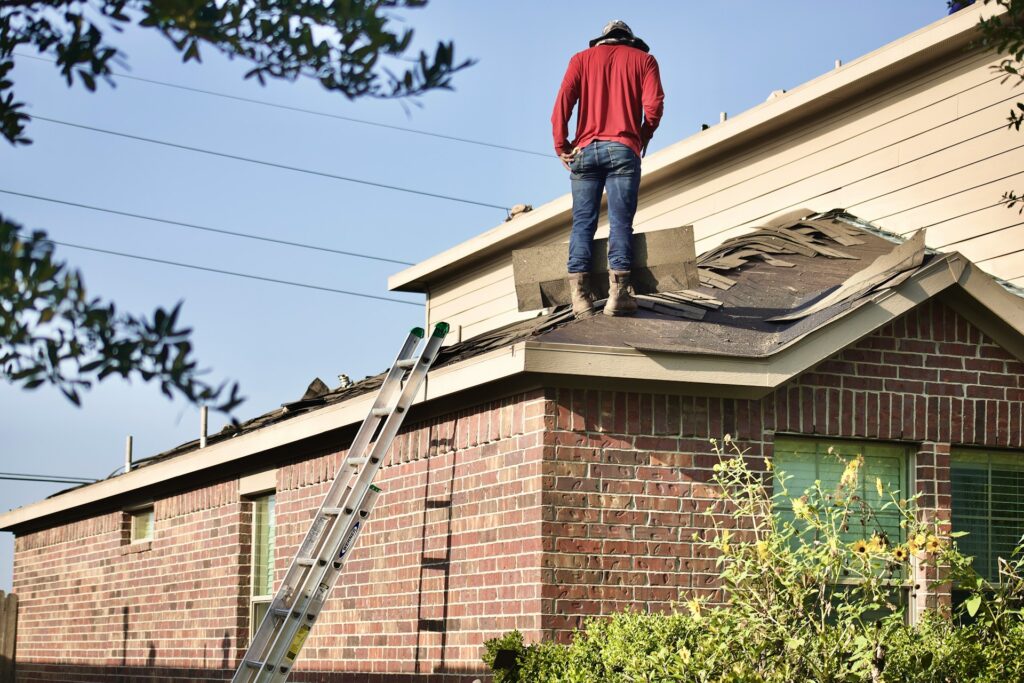
Emergency Roof Repair in Queen Creek After Monsoon Storms
Monsoon storms in Queen Creek can roll through fast, hit hard, and leave a big mess behind. One strong cell overnight is all it takes for tiles to fly off, water to pour in, and ceilings to start staining or sagging. When that happens, your roof stops being a quiet background part of your home and suddenly becomes an emergency.
In this article, we will walk through what to do in the hours right after a storm, how to tell if you need emergency roof repair in Queen Creek, and what a professional crew will handle for you. Our goal is to help you protect your home, your belongings, and your peace of mind when monsoon weather hits the East Valley.
Protect Your Home Fast After Monsoon Roof Damage
A strong monsoon can shake your whole house while you sleep. By morning, you might notice new water stains on ceilings, drips in the hallway or around a light fixture, piles of broken tiles in the yard, or granules and roofing pieces on patios and walkways.
Damage can get worse very quickly if it is not handled. Water that sneaks in through a cracked tile or torn shingle can spread through insulation, soak wood framing, and show up far from the actual roof leak. In our dry desert climate, heat after a storm can bake that trapped moisture, making materials crack and separate even more.
Emergency roof repair is different from regular roofing work because it focuses on immediate protection and stopping the situation from escalating. The priorities typically include:
– Stopping active leaks fast
– Protecting your interior finishes, flooring, and furniture
– Reducing risk around your electrical system
– Helping limit mold growth, which can start in a short time when areas stay damp
We want you to know what to do first, what signs mean it is an emergency, and how a roofing crew can step in to stabilize things before more damage happens.
Common Monsoon Roof Emergencies in Queen Creek
Monsoon storms in the East Valley combine wind, heavy rain, and often dust. That mix is hard on every type of roof. Some common problems we see after these storms include:
– Wind-lifted or broken tiles and shingles
– Torn or exposed underlayment
– Punctures from flying debris
– Damage around roof edges, vents, and flashings
– Tree limbs dropping onto the roof
Not every bit of damage is an emergency, but some signs should never be ignored. Emergency-level issues often look like active dripping or running water, steady ceiling leaks, bulging or sagging ceilings full of trapped water, daylight visible through the roof deck when you look from the attic, large bare spots where roofing is missing, or sagging areas on the roof that might signal structural trouble.
In Queen Creek, a few extra factors make things more tricky. Haboob-style dust storms can clog drains and scuppers, so flat or low-slope sections may start to pond water. Tile roofs often look fine from the street, even when tiles are cracked or the underlayment has been torn by wind. That hidden damage can let water sneak in during the next big cell.
What to Do in the First Hour After a Storm
The first hour after you notice damage is all about safety and simple protection steps inside your home. Start by making sure the situation is safe before you do anything else:
– Stay out of rooms where the ceiling is bulging or sagging
– Avoid standing water near outlets, power strips, or light fixtures
– Do not climb on a wet, damaged, or wind-blown roof
– If you see signs of structural collapse or fire, call 911 right away
If it is safe to be inside, you can take a few basic steps to protect your belongings while you wait for professional help:
– Move furniture, rugs, and electronics away from leaks
– Place buckets or containers under active drips
– Lay down towels or plastic to keep floors from soaking
– Take photos and short videos of all visible damage, inside and outside
Some homeowners carefully puncture a small hole in a heavily bulging ceiling to let water drain in a controlled way into a bucket. This should only be done if you can safely reach the area and the ceiling is not showing signs of collapse. If you are unsure, stay clear and wait for help.
It is time to request emergency roof repair in Queen Creek if you notice any of the following:
– Continuous leaking during or right after a storm
– Visible openings or missing sections of roof
– A strong, musty odor that suggests wet insulation
– Water entering near lights, fans, or other electrical fixtures
It is also smart to contact your insurance provider early so you can share photos and start any needed claims.
How Professional Emergency Roof Repair Works
When you call a professional roofing contractor for emergency service, the focus is on fast response and smart, temporary fixes that stop the damage from spreading. It usually begins with a quick phone assessment so the contractor can understand what you are seeing, ask where leaks are located and how much water you notice, and then dispatch a crew as soon as conditions allow.
Once on site, a good roofing team will take steps to work safely and locate the real problem, not just the spot where water shows up inside. This typically includes:
– Conduct a safety check inside and outside the home
– Perform a focused emergency inspection to find the true source of leaks
– Look beyond the obvious wet spots, since water often travels before it shows up
Short-term stabilization is about controlling water intrusion right away. Depending on the type of roof and the damage, that may include:
– Emergency tarping over damaged sections
– Temporary patches on punctures or exposed areas
– Sealing around vents, flashings, and roof edges where water is entering
– Clearing debris, leaves, and dust from drains and scuppers
– Shoring up any clearly weakened areas when it is safe to do so
After the roof is stabilized and active leaking is under control, the next phase is planning permanent repairs. At that point, you can generally expect:
– A detailed written estimate
– Photos that you can share with your insurance company
– Clear recommendations for repair or replacement work
– A realistic timeline so you know what to expect
For homes in the East Valley, we also pay close attention to how materials will handle future monsoon storms and long months of strong sun.
Why Speed Matters in Arizona’s Desert Climate
In a humid place, you might think things stay wet for a long time. Here, it is different. The desert heat dries surfaces fast, but any moisture trapped inside your roof system or attic can cook under the sun. That combination can cause wet underlayment to dry out, crack, and separate, and it can make roofing materials expand and then contract, opening new gaps. It also means that small storm openings can turn into major failures between storms.
Inside your home, waiting too long to deal with leaks can lead to bigger problems:
– Mold growth in dark, closed attic spaces
– Ruined insulation that loses its ability to keep your home cool
– Damaged drywall, warped trim, and stained ceilings
– Wood framing that slowly weakens or softens
Acting quickly often means smaller repairs instead of large rebuilds, less damage to finishes, and a smoother process with insurance. Fast emergency roof repair in Queen Creek can also help extend the life of your existing roof by keeping problems from spreading.
Prepare Now for the Next Monsoon Season
Spring in Queen Creek is a great time to get ready for the next round of monsoon storms. A little planning now can save a lot of stress when the sky turns dark and the wind picks up. Helpful preventive steps include:
– Scheduling a pre-monsoon roof inspection
– Clearing out gutters, scuppers, and roof drains
– Trimming back overhanging branches near your roof
– Taking care of minor cracks, loose tiles, or worn coatings before they grow
It also helps to create a simple roof emergency plan so you are not scrambling in the middle of a storm. To make that easier, you can:
– Keep Quest Roofing’s contact information where your family can find it
– Learn where your main electrical shutoff is located
– Review your homeowners insurance policy and coverage
– Store tarps, towels, buckets, and plastic sheeting in one easy-to-grab spot
When storms hit the East Valley, a calm, clear plan and a trusted local roofing team can make all the difference between a small scare and a major headache. By preparing now and knowing what to watch for, you can help keep your Queen Creek home safer through every monsoon season.
Get Started With Your Project Today
When a storm or sudden leak puts your home at risk, we are ready to respond quickly and professionally. Learn more about how our emergency roof repair in Queen Creek can protect your home and prevent further damage. If you are facing an urgent roofing issue right now, contact us so Quest Roofing can schedule a prompt inspection and solution tailored to your needs. We are committed to restoring your roof’s safety and integrity as efficiently as possible.