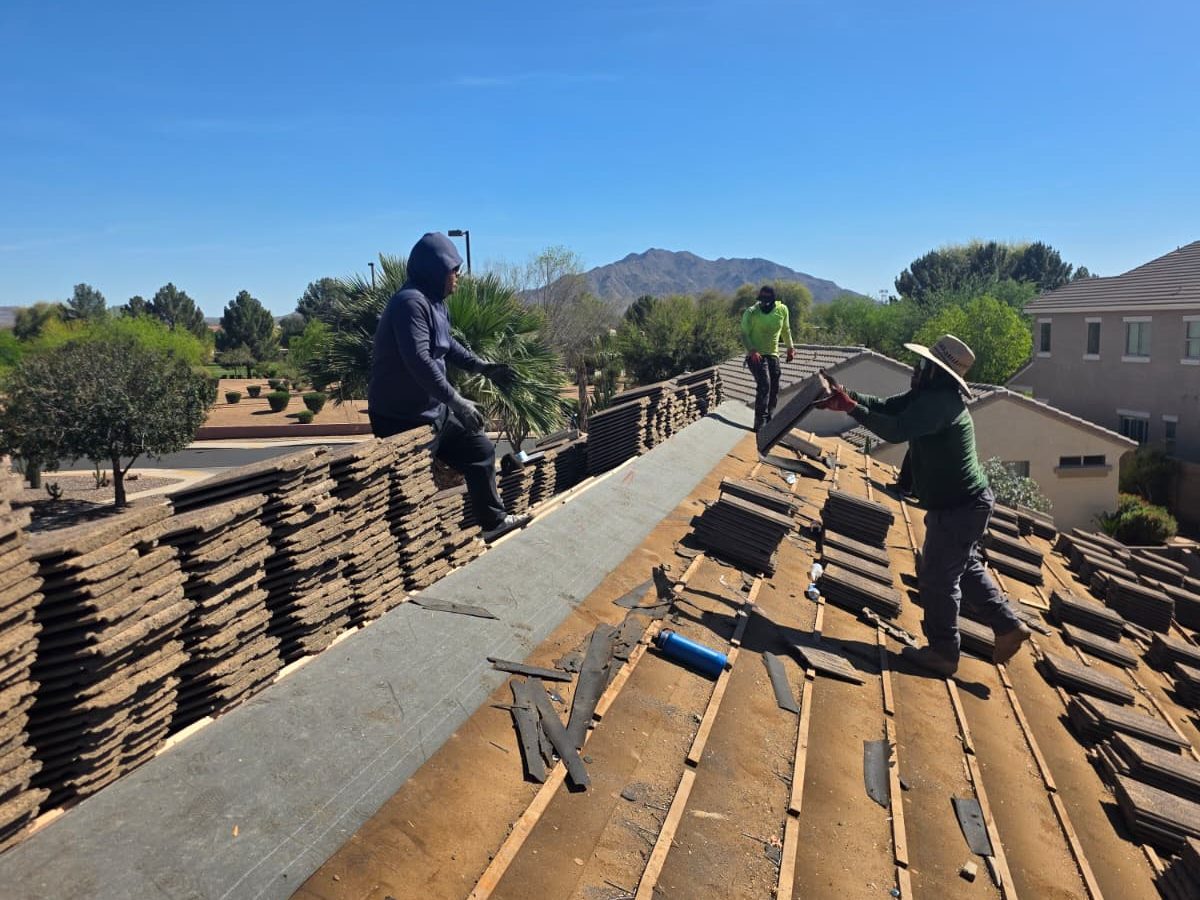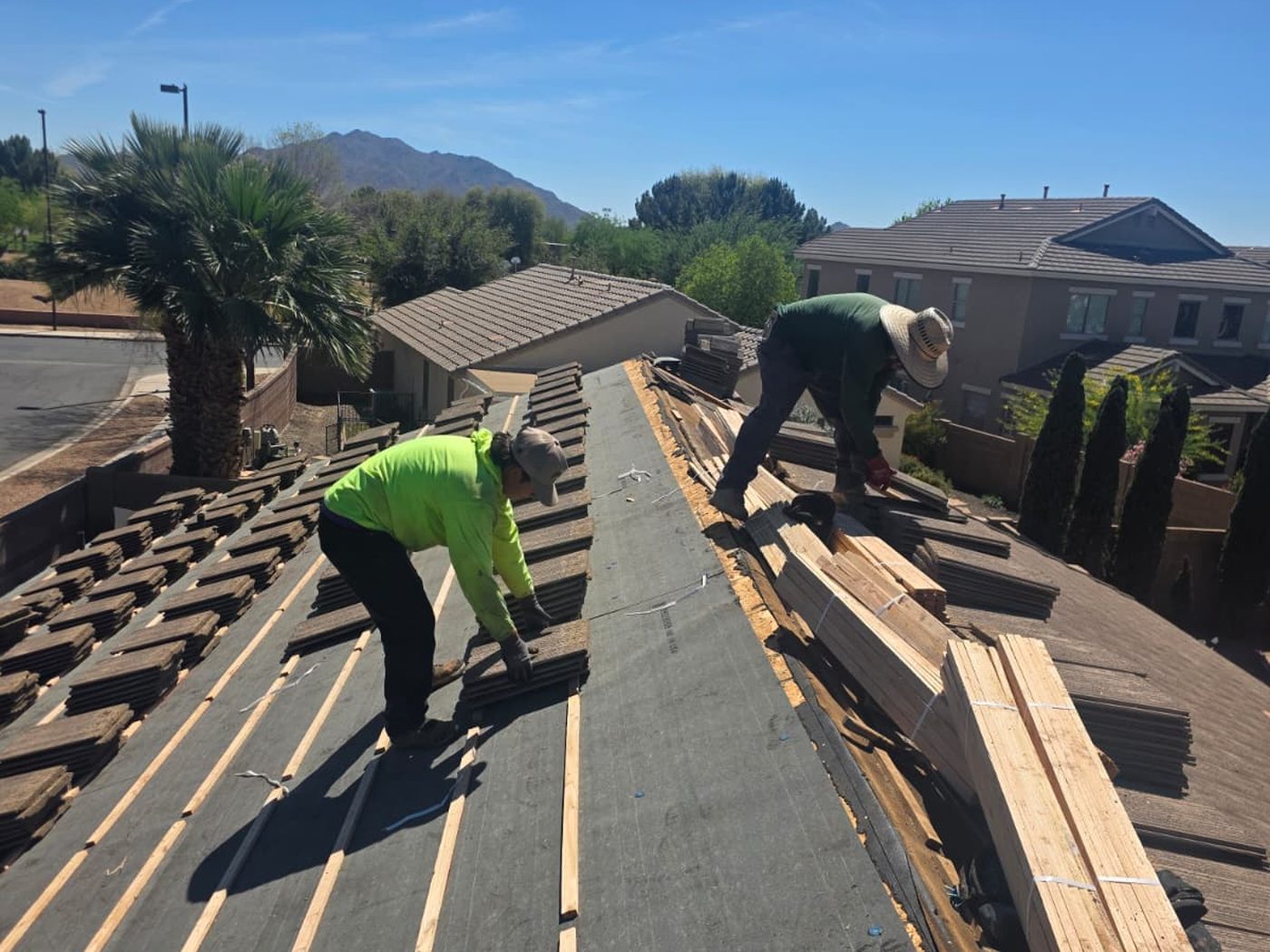
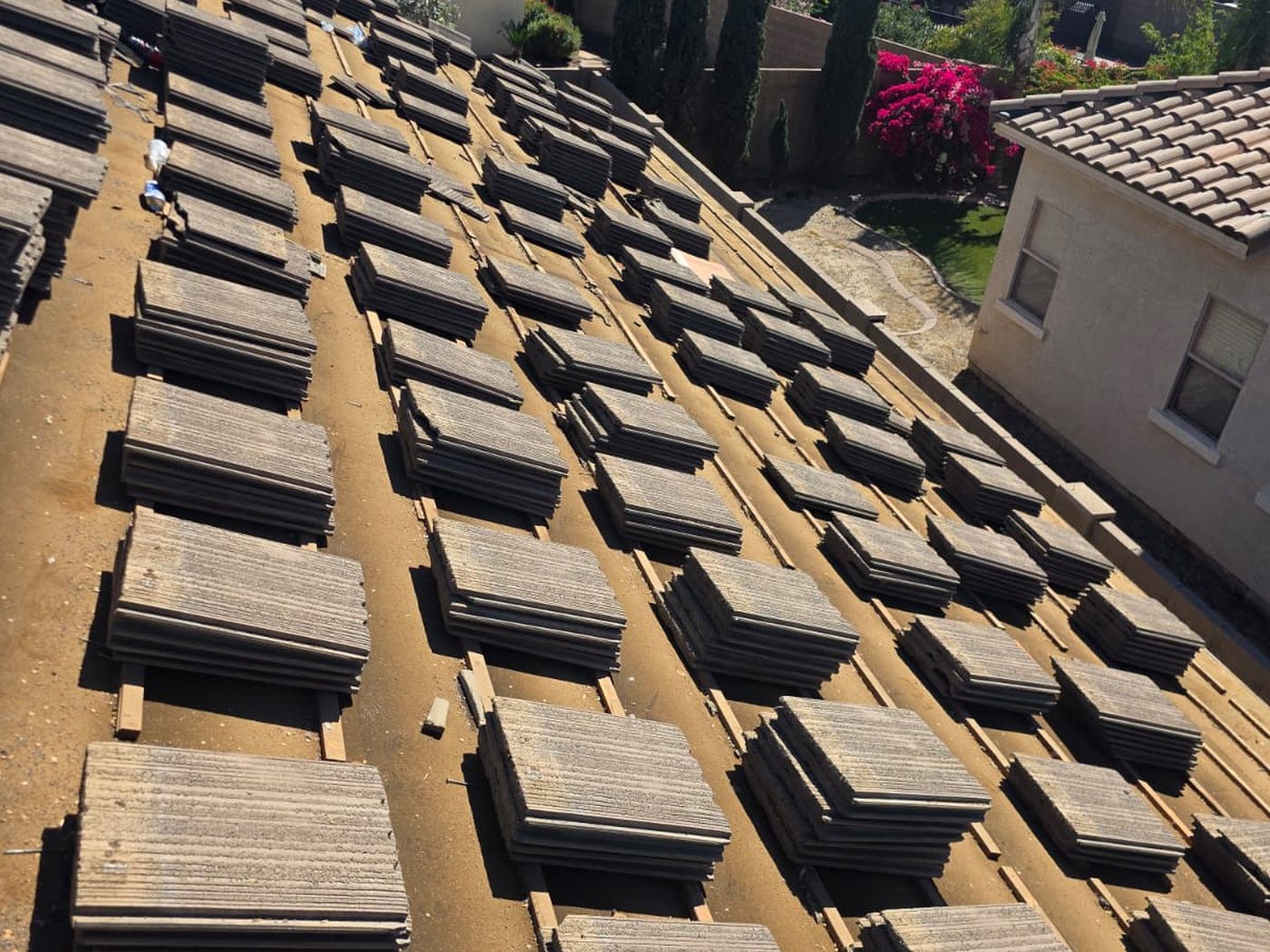
Stay Ahead of Roof Damage in Queen Creek
Roof maintenance in Queen Creek, AZ is not a "nice to have." Our desert sun, dust, monsoon winds, and surprise winter rains are tough on every type of roof. Small issues can turn into leaks and damage if no one checks the roof on a regular schedule.
That is why a simple month-by-month roof calendar works so well. When your roof care matches our East Valley weather patterns, it is easier to stay on top of problems before they grow. A few planned checks through the year help prevent leaks, protect curb appeal, and keep your roof lasting longer.
At Quest Roofing, we work with shingle, tile, metal, and foam roofs in this climate every day. We want homeowners to know what to watch for and when it is time to bring in a roofing professional instead of trying to guess or climb around on a roof alone.
Spring Tune-up Before the Heat Hits (March, May)
Spring is the best time to get your roof ready before the long sunny stretch and monsoon season. The weather is milder, and roofing crews still have room on their schedules.
March: Post-winter check
Focus on how your roof handled the cooler months and rain.
- Look for missing, cracked, or slipped shingles or tiles that may have shifted in storms
- Check valleys and areas around pipes or vents for leaves, twigs, or debris
- From inside, peek into the attic for moisture, moldy smells, or light showing through
If you see daylight, stains, or sagging areas, that often points to a problem that needs a professional eye.
April: Gutter and drainage prep
Good drainage keeps water from backing up into your roof structure.
- Clear gutters and downspouts so water can move freely
- Check where downspouts empty, and confirm water flows away from the house
- Look at metal flashing around chimneys, skylights, and vents for rust, gaps, or lifted edges
If flashing is loose, cracked, or pulling away, it is safer to have a roofing expert repair it instead of trying DIY fixes.
May: Heat and monsoon readiness
By late spring, it is time to prepare for UV and coming storms.
- On foam or flat sections, look for chalking, blisters, cracks, or bare spots in the coating
- Notice any shiny or worn areas that may be taking more direct sun
- Arrange a professional inspection to review the whole roof before peak season
This is when many homeowners in Queen Creek schedule a roof inspection with Quest Roofing so we can plan repairs before monsoon work fills the calendar.
Summer Heat and Monsoon Defense (June, August)
Summer brings hard sun, high winds, dust, and fast storms. Regular checks during this time can stop small issues from turning into emergency leaks.
June: UV and heat stress check
Different roof types show heat damage in different ways.
- On shingle roofs, look for curling corners, bare spots, or brittle shingles
- On tile roofs, scan for broken, shifted, or out-of-place tiles that expose underlayment
- On metal roofs, watch for loose fasteners or panels that look wavy or dented
It also helps to confirm that attic vents are open and clear, and insulation is in good shape. When the attic can breathe, your roof is under less stress and your AC may not have to work as hard.
July: Monsoon storm prep
Before the big storms hit, focus on what can move or break.
- Trim back overhanging branches that could scrape or fall on the roof
- Secure loose yard items that might become windblown debris
- Have seals checked around roof penetrations like vents, pipes, and satellite mounts
Old or cracked sealant is a common spot for wind-driven rain to sneak in, and a roofing pro can safely refresh these areas.
August: After-storm roof check
After a strong storm, you do not need to climb on the roof to spot problems.
- Walk around the property and look up for lifted shingles, missing tiles, or bent metal
- On flat or foam areas, check for standing water that does not drain away
- Inside, watch for new ceiling stains, drips, or musty odors
If anything looks off, calling Quest Roofing quickly can keep a small repair from becoming a big tear-out later.
Fall Reset and Monsoon Recovery (September, November)
Fall is when you see how well your roof handled monsoon season and get it ready for cooler, wetter months.
September: Post-monsoon damage scan
Monsoon damage is not always obvious from the street.
- Look for hairline cracks in tiles or loose ridge pieces
- For metal, watch for shifted panels or loosened fasteners
- On foam roofs, check coatings for peeling, soft spots, or scars from debris
Take a few photos of anything that concerns you. When you speak with a roofing professional, this record helps decide if you need simple repairs or a more complete tune-up.
October: Deep clean and drainage tune-up
Dust and leaves collect quickly in the fall.
- Clear gutters, scuppers, and roof valleys of dirt and plant material
- Make sure drain openings on flat sections are not clogged
- Have a pro review underlayment exposure, slipped tiles, and roof edges
This is especially smart for older roofs that might be getting close to replacement, because regular cleaning can stretch the remaining life.
November: Winter rain preparation
With holidays coming, no one wants a surprise leak.
- Recheck flashing and sealants around chimneys, skylights, and roof-to-wall areas
- Look at any past repair spots to be sure they still look tight and sealed
- Plan needed repairs or coating projects before schedules fill up
Doing this now keeps your roof ready for those heavier cool-season showers.
Winter Rains and Off-Season Care (December, February)
Even though our winters are mild, they still bring moisture that can find weak points in a roof.
December: Pre-storm system check
Use this month as a quick safety pass.
- Look for cracked tiles, worn shingles, or open seams on flat roofs
- Make sure gutters and downspouts are not blocked again by recent debris
- Note any areas that always seem damp or slow to dry
These signs can hint at hidden issues that a roofing expert should evaluate.
January: Indoor leak and moisture monitoring
Most winter roof problems show up inside first.
- Check ceilings for new stains, bubbles, or peeling paint after rain
- Look around skylights and chimneys for damp spots
- If you see active dripping, especially near lights or drywall, that is an emergency situation
In these moments, many homeowners rely on 24/7 emergency help to limit damage and keep their homes safe.
February: Planning for the next maintenance year
This is a smart time to think big picture.
- Review what happened with your roof over the last year, such as leaks or repairs
- Talk with a roofing professional about remaining roof life and long-term options
- Set up a late-winter or early-spring inspection to reset your maintenance calendar
At Quest Roofing, we often use this visit to map out a simple plan for the coming months that fits your roof type and age.
Month-by-Month Roof Checklist Summary
To keep things simple, here is a quick-reference checklist you can save:
- March, May: Check for tile or shingle damage, clean gutters, inspect attic, review coatings, plan a pro inspection
- June, August: Watch for heat damage, confirm attic ventilation, trim branches, check seals, scan after storms, monitor for interior stains
- September, November: Look for storm damage, clean debris from gutters and valleys, review underlayment exposure, recheck flashing and sealants, schedule needed repairs
- December, February: Inspect for cracks and open seams, keep gutters clear, monitor ceilings and attic for moisture, address leaks quickly, plan your next yearly inspection
Following this simple calendar for roof maintenance in Queen Creek, AZ helps cut down on surprise repairs, improves comfort and energy use, and supports a longer life for shingle, tile, metal, and foam roofs. By pairing your own monthly checks with expert care from a local team that understands our desert climate, your roof can stay ready for sun, storms, and every season in between.
Protect Your Home With Proactive Roof Care Today
If your roof is showing signs of wear, this is the ideal time to schedule professional roof maintenance in Queen Creek, AZ. At Quest Roofing, we inspect, repair, and maintain your roof so small issues do not turn into expensive damage. We will walk you through our recommendations, answer your questions, and keep the process simple from start to finish. To schedule an appointment or request a quote, just contact us.